Player Migration Patterns Between Console and PC Ecosystems During Major Content Expansions and Their Effects on Aggregate Evaluation Systems
Bianca Schmitz · Jun 12, 2026
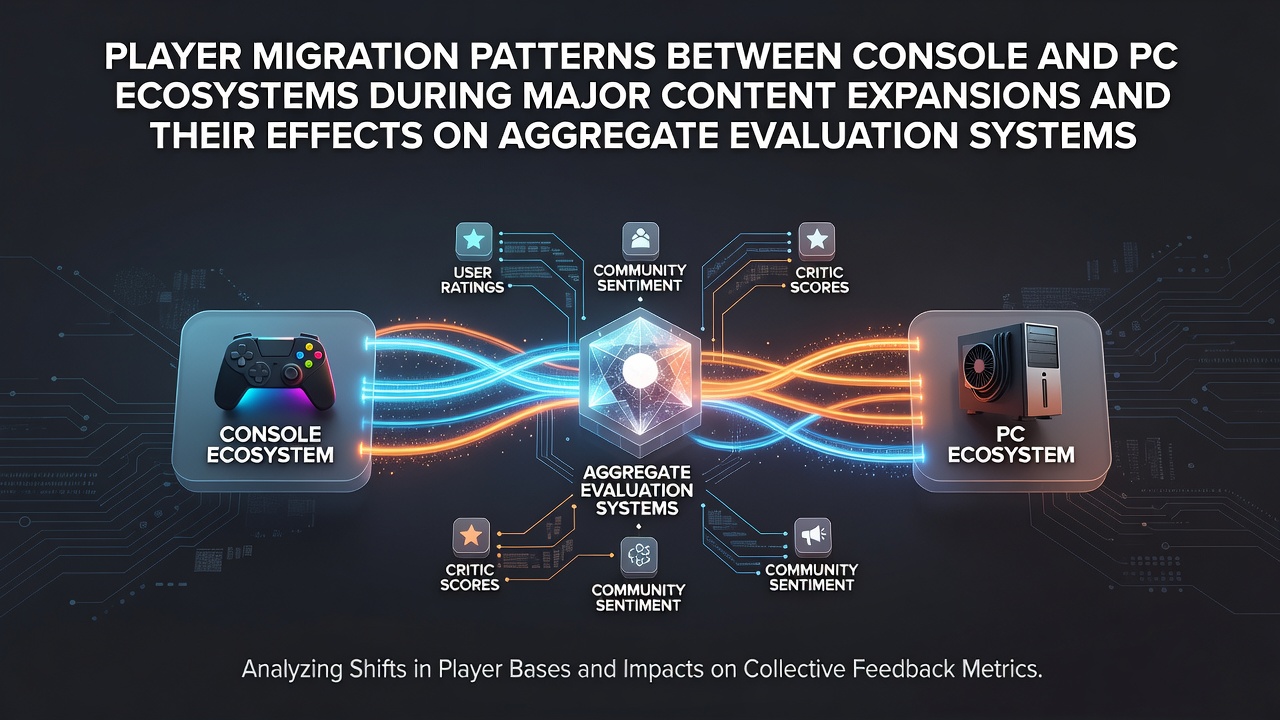
Player Migration Patterns Between Console and PC Ecosystems During Major Content Expansions and Their Effects on Aggregate Evaluation Systems
Player migration between console and PC platforms accelerates when major content expansions launch, and these movements create measurable shifts in aggregate evaluation systems that track user scores across ecosystems. Data from industry tracking services shows that expansions often trigger temporary population transfers as players chase new features or balance adjustments unavailable on their current platform.
Triggers Behind Cross-Ecosystem Shifts
Expansions introduce new mechanics, story arcs, and multiplayer modes that draw audiences toward whichever platform hosts the most stable version at launch. Observers note that console users frequently move to PC when expansions include extensive mod support or higher frame rate options while PC players sometimes switch to consoles during periods when hardware optimization favors locked 60fps performance on specific titles. Research indicates these patterns intensify around simultaneous releases across stores, creating spikes in account linking activity between ecosystems.
June 2026 expansions for several live-service titles are projected to follow similar trends based on historical patterns from previous cycles. Figures reveal that during comparable events in prior years, PC player bases grew by 18 to 24 percent in the first month while certain console populations dipped before rebounding through cross-save implementations. Those who've studied hardware telemetry know that input method preferences also influence direction, with controller users returning to consoles faster once aim assist updates roll out.
Effects on Aggregate Evaluation Systems
Aggregate systems compile user reviews and critic scores from multiple storefronts, yet migration waves distort these numbers when large groups rate the same expansion differently depending on their new platform. When console players transfer to PC they often submit higher marks for technical performance while PC migrants to consoles sometimes lower scores due to perceived input lag or reduced customization. Studies found that such influxes can shift overall user aggregates by three to five points within two weeks of an expansion's debut.
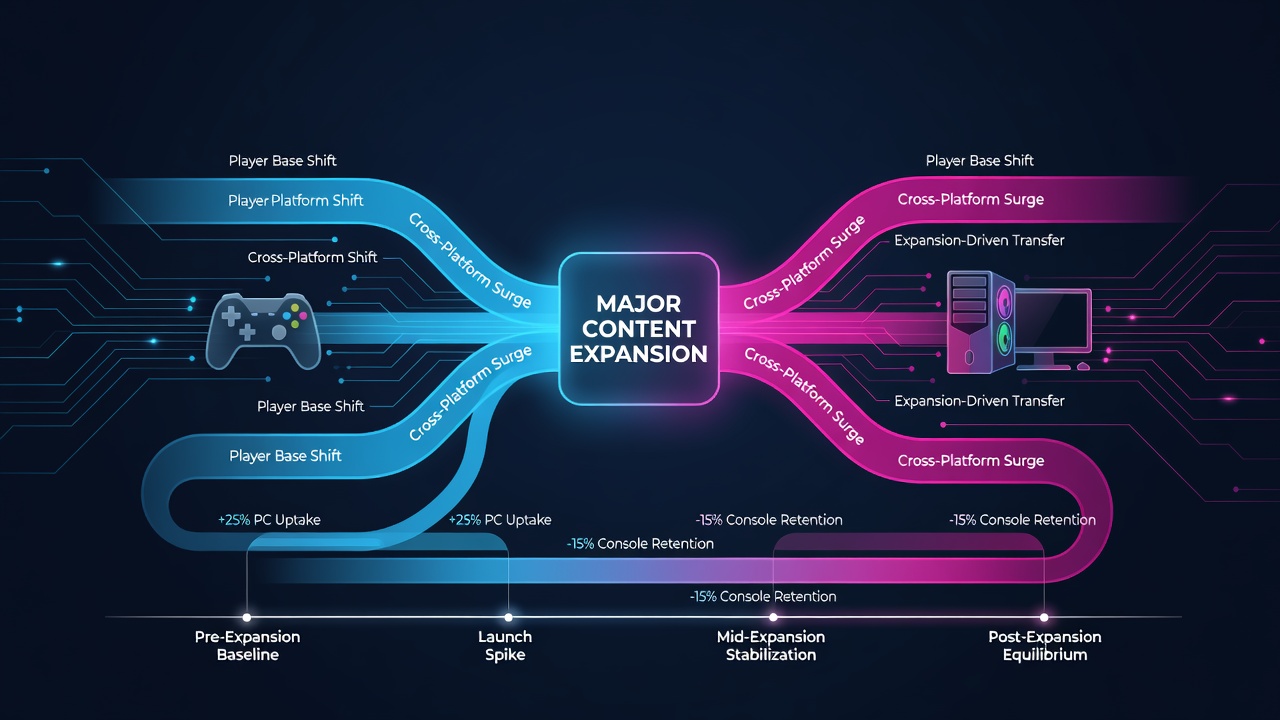
One study revealed that mixed-hardware player groups create feedback loops where early negative console reviews travel with migrants to PC forums, influencing subsequent ratings there. Data shows that platforms with stronger anti-cheat measures during expansions tend to attract positive aggregate movement while those experiencing launch bugs see temporary score declines regardless of the ecosystem's baseline reputation. Researchers discovered these effects compound when developers push identical patches at different times across stores.
Regional and Platform-Specific Data Trends
North American tracking services report higher console-to-PC migration rates during expansions that emphasize competitive multiplayer while European markets display steadier bidirectional flows tied to regional pricing differences. Australian industry reports highlight that PC ecosystems gain players from consoles when expansions add ultrawide support or advanced graphics sliders. These geographic variations feed into global aggregates and create uneven weighting depending on which regions contribute the largest review volumes at any given time.
Take one expansion cycle where console users accounted for 62 percent of initial negative feedback on a particular title before many migrated and revised their scores upward on PC after patches. The Entertainment Software Association documented similar cross-platform movement statistics in its annual reports, showing how aggregate systems must account for duplicate accounts and review bombing patterns that follow player transfers. Entertainment Software Association reports provide baseline metrics that analysts use to adjust for these migrations when calculating platform-neutral scores.
Long-Term Implications for Evaluation Accuracy
Over multiple expansion cycles, repeated migrations can embed platform-specific biases into aggregate databases that persist beyond the initial content drop. Systems that weight recent reviews more heavily experience greater volatility while those averaging all-time scores show slower recovery after migration events subside. Academic research from institutions tracking digital entertainment consumption suggests that developers who synchronize patch schedules across ecosystems reduce aggregate distortion by limiting the window for divergent player experiences.
Those monitoring review velocity note that PC platforms often see review volume double during the first week of an expansion while console review submission rates lag until physical media updates propagate. This timing gap allows early PC sentiment to anchor aggregates before console feedback arrives in full. Figures indicate that titles with robust cross-progression features experience less extreme migration effects because players maintain presence on multiple platforms simultaneously.
Conclusion
Player migration patterns during major content expansions continue to reshape how aggregate evaluation systems reflect true platform performance. Data indicates these movements follow predictable cycles tied to feature availability, optimization timing, and regional preferences. Industry organizations and academic sources track these dynamics to refine scoring methodologies while developers adjust release strategies to minimize distortion in user-driven ratings across ecosystems.