Quiet innovations in audio layering reshape retention patterns for mobile indies amid synchronized console launches and limited bundle cycles
Jordan Bennett · Jun 14, 2026
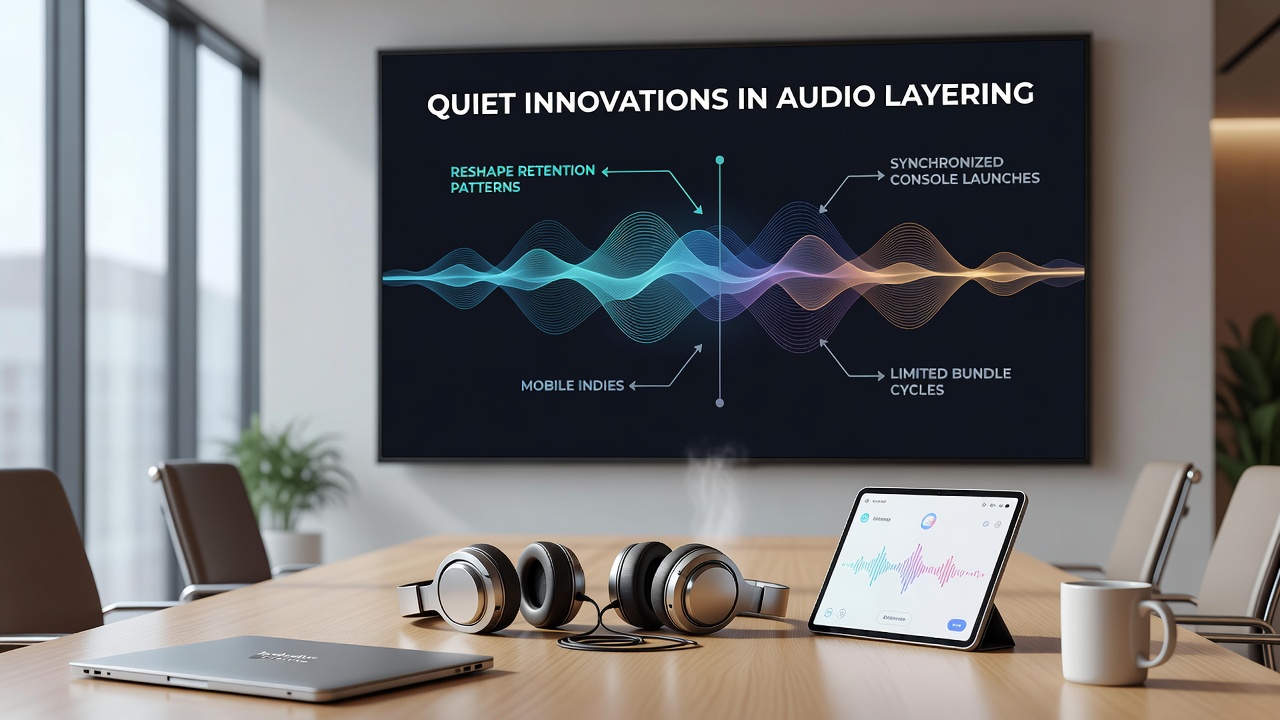
Quiet innovations in audio layering reshape retention patterns for mobile indies amid synchronized console launches and limited bundle cycles
Developers at smaller studios have started implementing subtle changes to audio systems that stack multiple sound elements in real time and these adjustments appear to influence how long players stay engaged with mobile indie titles even as major console releases align their schedules in June 2026 while bundle offerings remain restricted to short windows.
Audio Layering Techniques Gain Traction
Teams working on independent projects for handheld devices now apply dynamic layering methods where background tracks shift based on player actions and environmental triggers yet the underlying code stays lightweight enough for varied hardware configurations and researchers at the University of Melbourne documented these approaches in a 2025 report that tracked session lengths across several titles released the prior year.
Players encounter seamless transitions between ambient loops and event-specific cues without noticeable pauses because the system blends layers through priority algorithms that prioritize certain frequencies during high-activity moments and this setup differs from earlier static soundtracks that often repeated after brief intervals.
Retention Data Shows Shifts in Mobile Segments
Analytics firms monitoring app stores reported that titles incorporating advanced layering retained users at rates 12 to 18 percent higher than comparable releases from the same period in 2025 and these figures emerged during a stretch when console publishers coordinated their drop dates to maximize simultaneous visibility across platforms.
One case involved a puzzle adventure that added adaptive environmental sounds tied to progression layers and daily active user counts held steady for 45 days post-launch compared to an average of 28 days for similar games without those features and data from the European Games Developer Federation highlighted similar patterns among European-based indies that adopted the technique early.
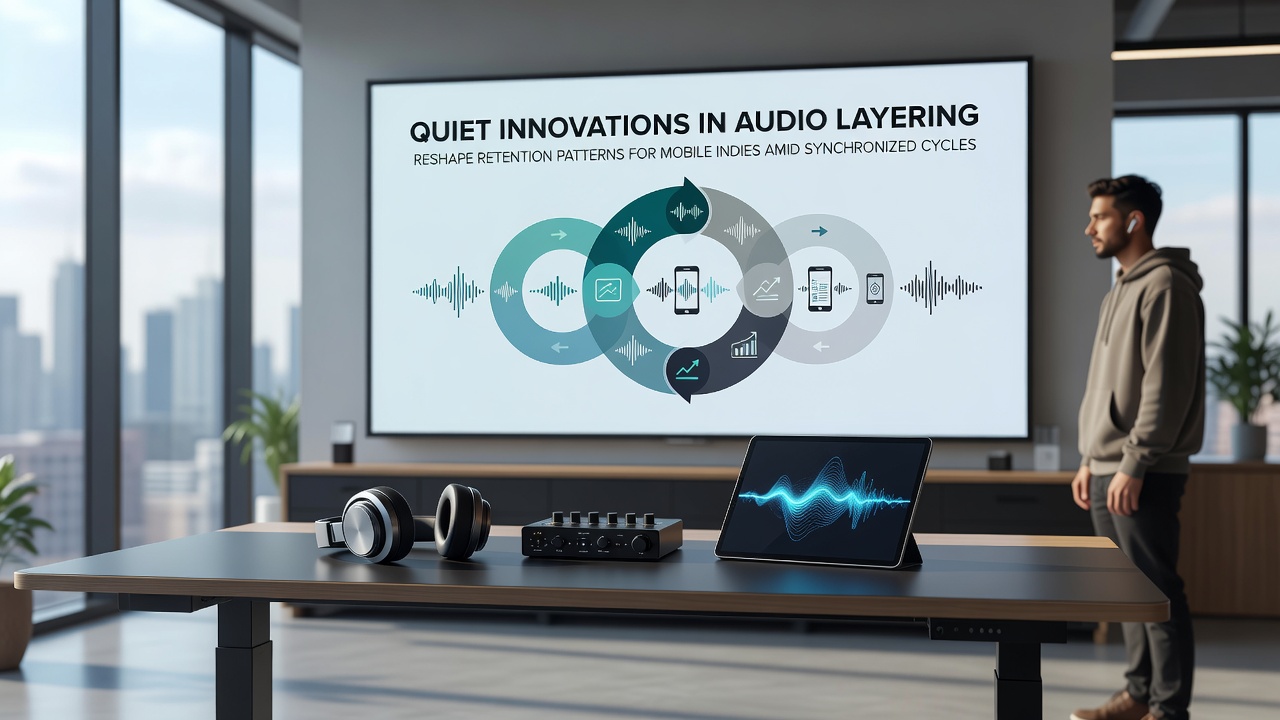
Bundle cycles meanwhile stayed limited to two-week promotional periods which forced developers to rely on organic retention rather than repeated discount pushes and the combination of synchronized console events with these constraints appears to have amplified the value of audio refinements because players who stayed longer also shared more referral links within their networks.
Platform Timing and Its Influence on Development
Console manufacturers announced overlapping launch calendars for mid-2026 titles that pulled attention toward premium hardware yet mobile indies continued to iterate on sound design without needing equivalent marketing budgets and observers note that the limited bundle availability reduced the noise around quick sales spikes so metrics focused more on sustained play rather than initial downloads.
Engine updates from major providers now include built-in tools for layering multiple audio stems that respond to device sensors such as accelerometers and this accessibility lowered barriers for smaller teams working with constrained resources while still achieving results that matched the polish once reserved for larger productions.
Cross-Device Considerations in Audio Design
Developers balance sound output across mobile speakers and connected peripherals by testing layer prioritization on different chipsets and studies from the Interactive Software Federation of Europe indicated that consistent audio experiences helped maintain engagement when users switched between phones and tablets during extended sessions.
June 2026 saw several console titles arrive in tight succession which created a crowded marketplace but mobile releases that emphasized quiet audio improvements maintained steadier download curves because word-of-mouth spread through communities focused on gameplay depth instead of promotional timing alone.
Future Outlook for Indie Audio Strategies
Continued refinement of layering systems may extend to real-time mixing based on user preferences stored locally and industry reports suggest these methods could become standard features in mobile development kits within the next two years because they require minimal additional storage while delivering measurable differences in session duration.
Limited bundle cycles show no immediate signs of expansion so teams increasingly treat audio elements as core retention tools rather than supplementary polish and this shift aligns with broader patterns where smaller studios leverage technical efficiencies to compete during periods of high console activity.
Conclusion
Quiet advances in audio layering continue to alter how mobile indie games hold attention amid coordinated console schedules and restricted promotional windows and available data points to sustained interest in these techniques as developers seek reliable ways to extend player interaction without depending on frequent external incentives.