Simulation Sandboxes and Their Impact on Aggregated Player Feedback During Platform Sales Events
Bianca Schmitz · May 19, 2026

Simulation Sandboxes and Their Impact on Aggregated Player Feedback During Platform Sales Events
Simulation sandboxes represent a distinct category of games where users construct, manage, and experiment within open environments that emphasize creativity over linear objectives, and these titles frequently experience heightened activity when platforms launch promotional periods. Data from industry reports shows that games such as city builders, life simulators, and procedural world editors attract increased download volumes during these windows because discounts lower entry barriers for new participants who then contribute to collective review pools and usage statistics. Researchers have tracked how the open nature of these sandboxes leads to diverse feedback patterns once players gain access through sales. According to figures compiled by the Entertainment Software Association, simulation titles accounted for a measurable uptick in cross-platform engagement metrics during spring promotional cycles, with aggregated scores reflecting both construction successes and technical hurdles encountered in larger builds.Platform Sales Mechanics and Sandbox Accessibility
Platform operators coordinate timed discounts across consoles, PCs, and mobile storefronts, and simulation sandboxes benefit because their core loops reward repeated sessions rather than one-time completions. Players often discover that reduced prices coincide with seasonal events, allowing broader testing of features like modular building systems and AI-driven economies before committing full price. This expanded reach produces larger datasets of player interactions that feed into review aggregators and recommendation algorithms.
What's interesting is that the feedback collected during these periods tends to highlight modding communities and shared creations, since sandbox designs encourage users to upload custom content that others then rate and adapt. Studies indicate this cycle amplifies visibility for titles that already carry strong community tools, creating a feedback loop visible in public leaderboards and sales dashboards.Feedback Aggregation Patterns in Simulation Genres
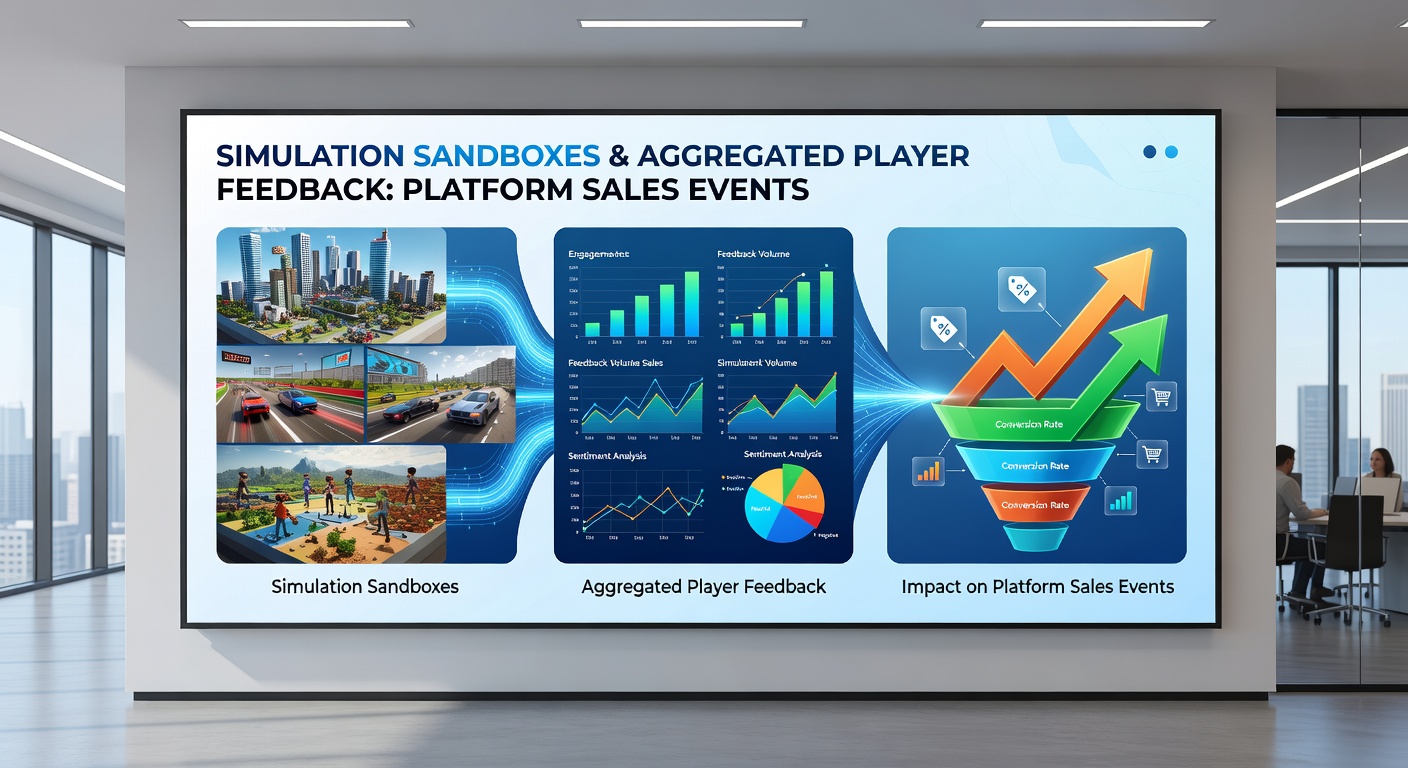 Observers note that aggregated player feedback shifts measurably when sandbox games enter sales rotations because first-time users bring fresh perspectives on interface complexity and performance across hardware configurations. A report from the Interactive Games and Entertainment Association in Australia documented how review volume for management simulators rose during regional platform promotions, with comments clustering around stability during extended play sessions and the effectiveness of in-game tutorials. But here's the thing: these patterns differ from action-oriented genres because sandbox feedback often references long-term progression and creative output rather than immediate challenge resolution. Data compiled across multiple storefronts reveals that positive mentions of customization options increase when players purchase at discounted rates, whereas complaints about resource management curves appear more frequently among those who enter during high-traffic events.
Regional Variations and Cross-Store Data
European digital economy analyses have examined how sandbox titles perform in localized sales campaigns, showing that aggregated scores stabilize after initial influxes once players share optimization guides and patch notes. Canadian regulatory summaries on digital entertainment similarly record elevated forum activity for construction-focused games during coordinated platform discounts, with user reports emphasizing compatibility with controller schemes and cloud save features.
Take one dataset released by university-affiliated media labs that compared pre-sale and post-sale review distributions; the numbers demonstrated wider variance in sentiment scores for simulation entries because creative freedom invites both praise for emergent stories and critique of simulation depth limits. These variations feed directly into platform algorithms that surface titles based on recent engagement spikes.Longer-Term Effects on Metrics and Community Signals
Continued monitoring after sales conclude indicates that sandbox games retain elevated player bases when feedback mechanisms such as in-game polls and external wikis remain active. Industry tracking organizations have observed that titles with robust mod support generate sustained discussion threads that influence future update priorities and cross-platform port decisions. This ongoing dialogue contributes to refined aggregated scores that platforms use to guide subsequent promotional targeting.
And yet the process remains dynamic because new entrants during May 2026 events introduce variables like updated hardware compatibility reports and evolving community standards for content sharing. External sources including academic reviews from North American research centers have catalogued how these inputs shape developer responses visible in patch histories and feature roadmaps.Conclusion
Simulation sandboxes continue to shape aggregated player feedback landscapes during platform sales events by drawing diverse participants whose experiences populate review systems and usage statistics. Evidence from multiple regional reports and industry datasets confirms that open-ended design elements generate distinctive comment clusters around creativity, technical performance, and long-term engagement. As platforms refine their promotional calendars, these feedback mechanisms provide ongoing signals that influence visibility and development focus for the genre.