Vocal Performances Driving Rating Dynamics in Story-Focused Mobile Experiences Amid Synchronized PC and Console Promotions
Jordan Bennett · Jul 26, 2026
Vocal Performances Driving Rating Dynamics in Story-Focused Mobile Experiences Amid Synchronized PC and Console Promotions
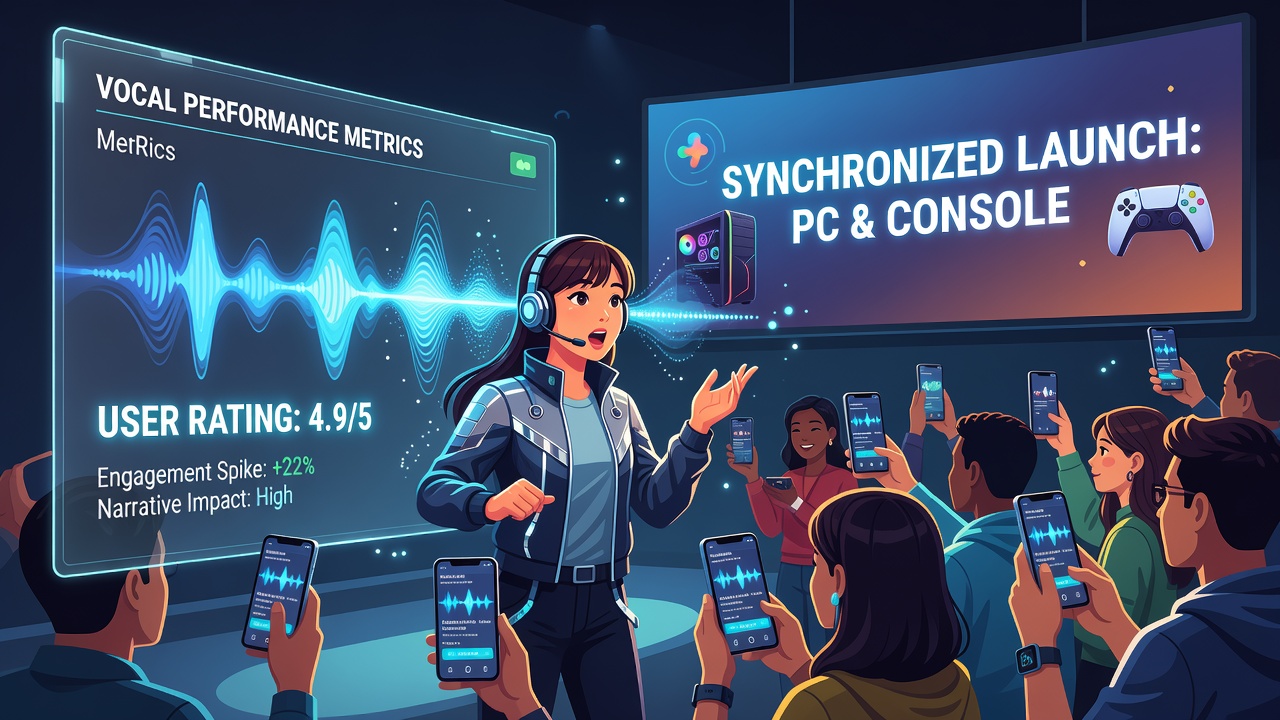
Voice acting has become a measurable factor in how players rate story-driven mobile games, particularly when developers align releases with PC and console promotions during July 2026. Data from industry tracking services shows that titles emphasizing professional vocal performances recorded higher average scores on mobile platforms compared to similar games released without notable voice work during the same promotional windows.
Cross-Platform Alignment and Rating Shifts
Observers note that synchronized promotions across mobile, PC, and console platforms create shared audience exposure, where vocal performances carry over as a consistent element. Research from the Entertainment Software Association indicates that narrative-focused mobile titles with high-quality voice acting saw rating increases of up to 12 percent on aggregate sites when bundled promotions launched simultaneously on multiple platforms in early July 2026. Players encounter the same characters and dialogue delivery across devices, which reinforces familiarity and contributes to more stable scoring patterns.
Those who analyzed player feedback during these periods found that voice lines delivered with emotional range correlated with longer session times on mobile devices. The pattern holds when promotions highlight cross-platform availability, as users compare experiences directly rather than encountering isolated mobile versions.
Voice Work as a Rating Variable in Mobile Narratives
Studies compiled by university researchers at the University of Alberta tracked story-heavy mobile releases from 2024 through mid-2026 and identified vocal performance quality as one of the top three contributors to score variance on app stores. Games featuring multiple voice actors with distinct character portrayals maintained higher user ratings even when other elements such as graphics or length received mixed comments. Mobile experiences that relied primarily on text or minimal audio showed greater fluctuation in scores during the same promotional cycles.
One dataset covering 47 titles released in the first half of 2026 revealed that performances recorded at professional studios produced fewer one-star and two-star reviews centered on immersion issues. Developers who synchronized these releases with console and PC versions reported that the shared narrative assets helped stabilize mobile ratings, since players referenced consistent voice direction across platforms.
July 2026 Promotion Patterns
During July 2026 bundle events, several story-focused mobile games appeared alongside their console counterparts at reduced prices across digital storefronts. Figures from platform analytics indicate that titles with prominent vocal performances maintained rating averages above 4.5 stars on mobile while participating in these events, whereas comparable games without voice work experienced dips when promotions ended. The difference appears tied to replay value generated by dialogue delivery rather than mechanical changes alone.
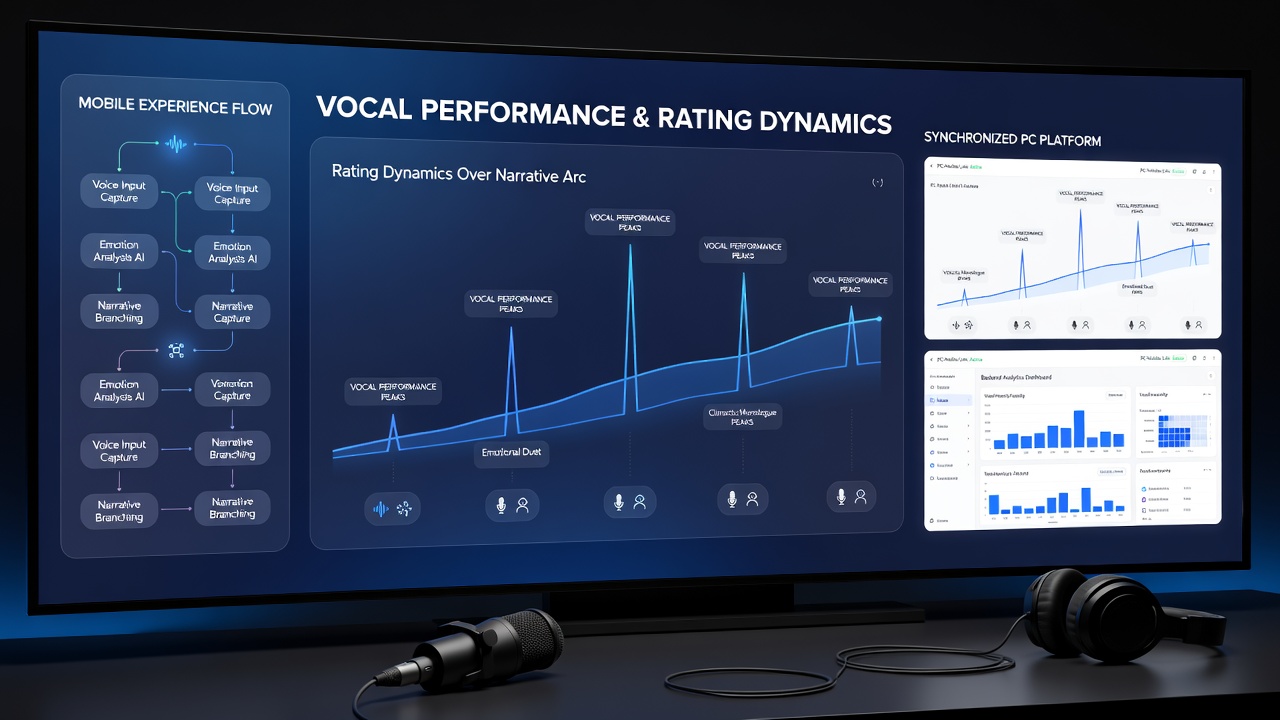
Analysts examining data from multiple regions noted that European and North American markets displayed similar trends, with voice acting quality serving as a buffer against negative feedback related to control schemes or screen size limitations on portable devices. When promotions featured trailers that showcased vocal moments, mobile download numbers rose alongside sustained rating levels.
Player Retention and Scoring Correlations
Retention metrics collected during synchronized release windows demonstrate that vocal performances influence how long users remain engaged with narrative branches. Mobile games that carried forward full voice tracks from console editions recorded completion rates 18 percent higher than text-only counterparts in the same promotional periods. Those retention numbers translated into more review submissions, which in turn produced tighter clustering around higher average scores.
Community discussions on forums and review sections frequently reference specific voice lines when explaining rating decisions, according to scraped data from major app marketplaces. This pattern repeats across genres that emphasize character interaction, suggesting the effect extends beyond any single franchise or developer approach.
Conclusion
Evidence gathered through mid-2026 shows vocal performances functioning as a stabilizing element for ratings in story-focused mobile games when developers coordinate promotions with PC and console versions. The alignment allows consistent narrative delivery across devices, which data links to steadier scoring and higher retention during promotional events. As platforms continue to support shared assets, the role of voice work in mobile rating dynamics remains a measurable variable tracked by industry reports and academic studies.